
Boosting your child’s musical skills: why and how
Key points: The “Mozart effect” oversimplified music’s impact on intelligence, but music remains valuable for child development. French research links…


Key points: The “Mozart effect” oversimplified music’s impact on intelligence, but music remains valuable for child development. French research links…

Key points: Professor Susan Hallam’s research underscores the importance of musical skills in childhood and beyond through “transfer of learning.”…

Key points: The article provides ideas for parents to set up imaginative play scenarios for their children. The activities include…

Key points: The ability to notice and identify colors and shapes is important for describing the world around us. Engaging…

Key points: The American Academy of Pediatrics suggests that children between 2 and 3 years of age learn to discriminate…

Key points: Visual object recognition is a complex mechanism that depends on a multitude of other cognitive processes. Between 2…

Key points: A child’s memory and attention skills during the first four years of life can predict academic achievement once…

Key points: Working memory is important for short-term mental tasks and allows us to hold information in our minds. The…
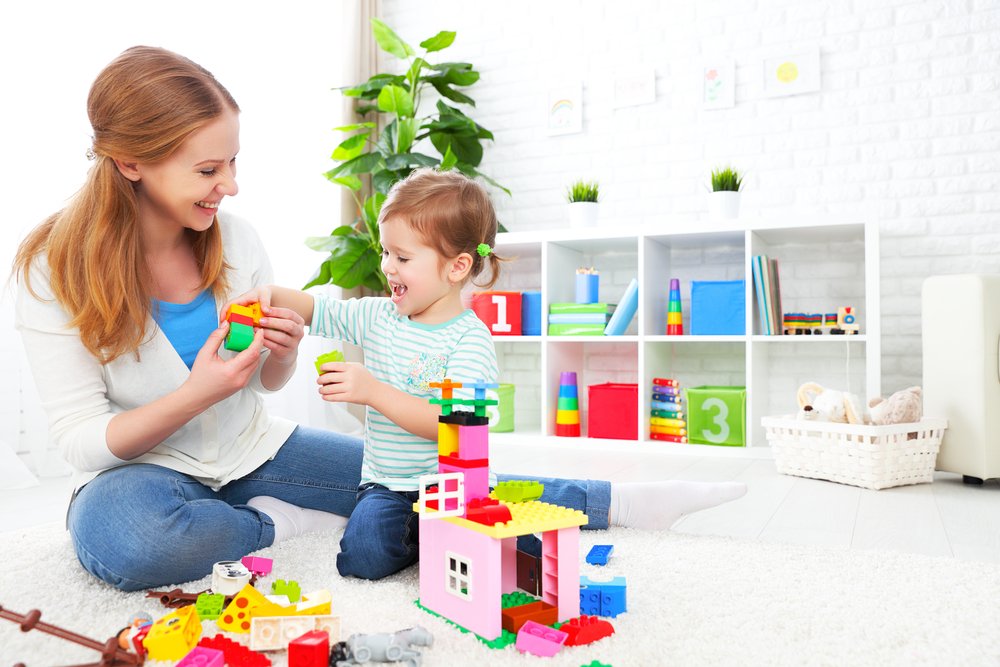
Key points:1. Incorporate your child’s interests or favorite toys to make activities fun and engaging.2. Be mindful of your child’s…

Key points:1. Attention skills involve three cognitive networks: alerting, orienting, and executive control.2. Alerting is staying sensitive to information, orienting…

Key points:1. Between 36-48 months, preschoolers work hard to develop memory skills, recalling songs, stories, and more.2. Memory development begins…

Key points:1. Memory development in children is closely linked to their existing knowledge and experiences.2. A child’s ability to encode…

Key points: Attachment is a deep emotional bond between individuals, often observed in child-parent relationships. Attachment significantly influences a child’s…
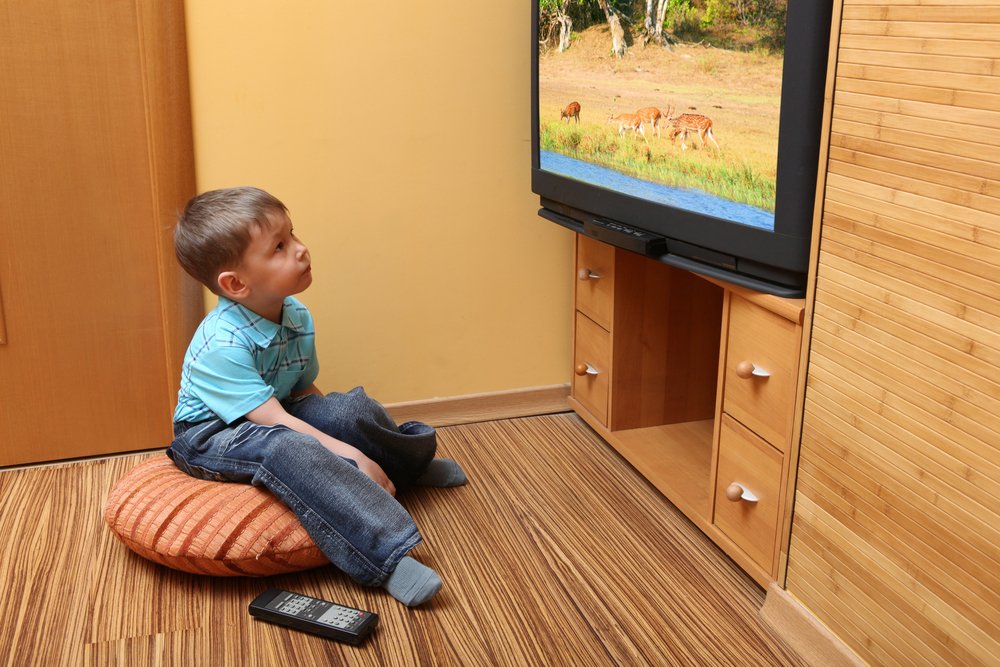
Key points:1. Children aged 18-24 months can be exposed to high-quality children’s media with guidance.2. Between ages 2-5, children can…
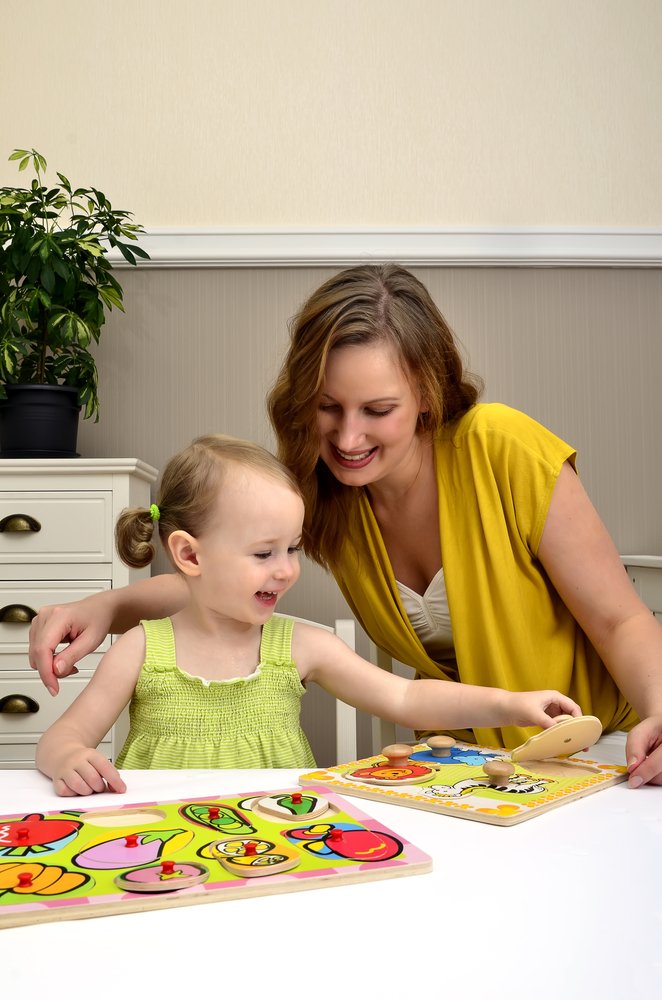
Key points:1. Preschoolers, at around 3-4 years old, are highly curious and eager to understand how things work.2. Encouraging children…

Key points:1. Answering a child’s questions fosters cognitive development, stimulating reasoning and problem-solving skills.2. Cognitive skills develop between 36 and…

Key points:1. After 24 months, toddlers show a keen interest in understanding how things work and their relationships.2. The incessant…

Key points:1. Preschoolers as young as 3 can distinguish between appearances and reality.2. They can describe both real and fantastical…

Key points:1. Around age 3-4, children begin understanding object characteristics and properties.2. They progress from identifying shapes and colors to…

Key points:1. Infants rapidly absorb information about their world by 12 months.2. Around ages 3-4, children start understanding specific object…

Key points: Ages 36-48 months: Children develop conceptual reasoning skills. Concepts include size, distance, speed, height, weight, and order. Use…