
What are effective play strategies for my child’s development?
Key points: 1. Play is essential for a child’s development, fostering exploration, learning, creativity, and social interaction. 2. When playing…


Key points: 1. Play is essential for a child’s development, fostering exploration, learning, creativity, and social interaction. 2. When playing…

Key points: Babies begin to develop cause-and-effect thinking around seven months, when they learn that they can intentionally affect their…
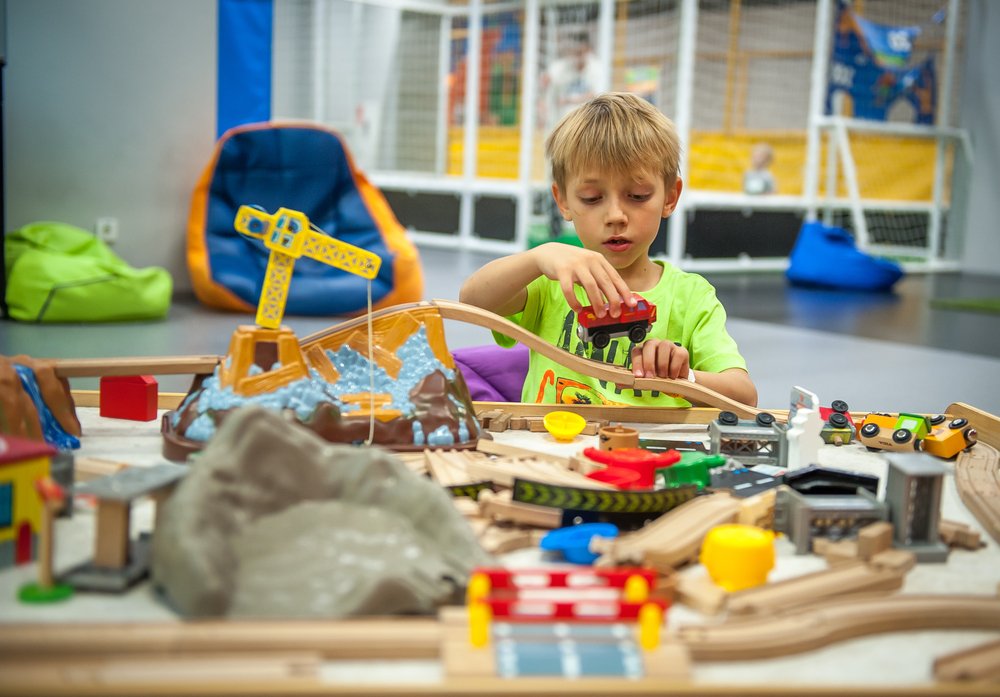
Key points: Babies are natural scientists from birth. Engage in repetitive play to teach concepts like gravity. Foster STEM skills…

Key points: Play is essential for childhood development, fostering problem-solving skills and social interactions. Babies initially explore everything, including toys…

Key points: 1. Prodigies focus on consuming knowledge rather than creating new ideas. 2. Creative children often keep original ideas…

Key points: Research shows that the age at which babies reach a milestone can be a sign of later outcomes…

Key points: 1. Open-ended toys, like cardboard boxes, offer endless possibilities for imaginative play. 2. Children use their senses and…

Key Points: 1. Children are natural scientists, learning through observation and play, especially through cause-and-effect experiences. 2. Babies start understanding…
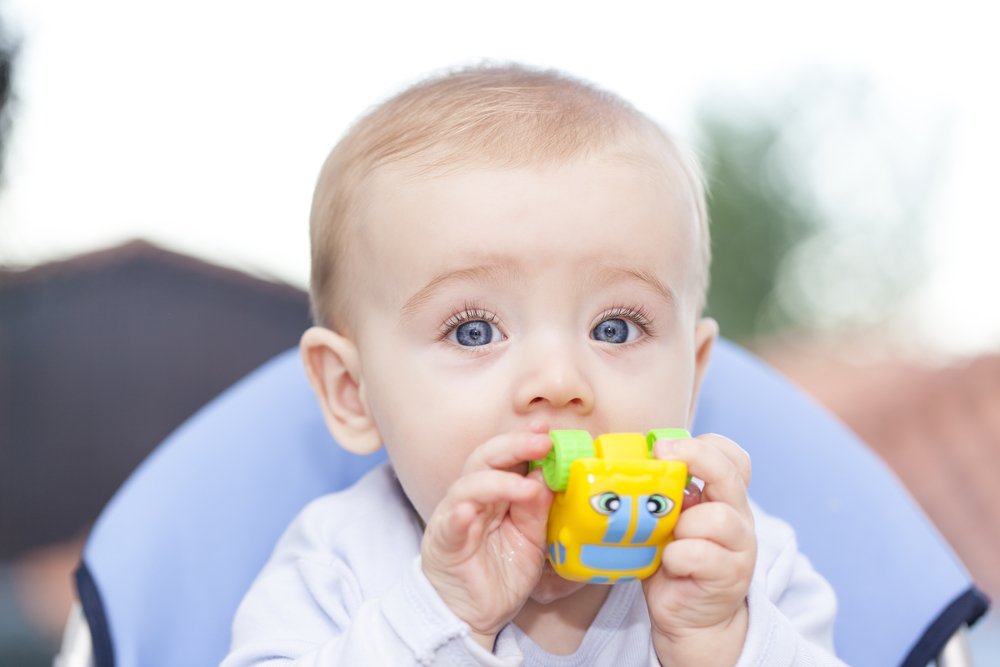
Key points: 1. Mouthing objects helps babies explore textures and tastes, aiding their development. 2. Babies may mouth objects more…

Genes and environment contribute 50% each to a child’s intellectual development. This gives parents some room to step in and…
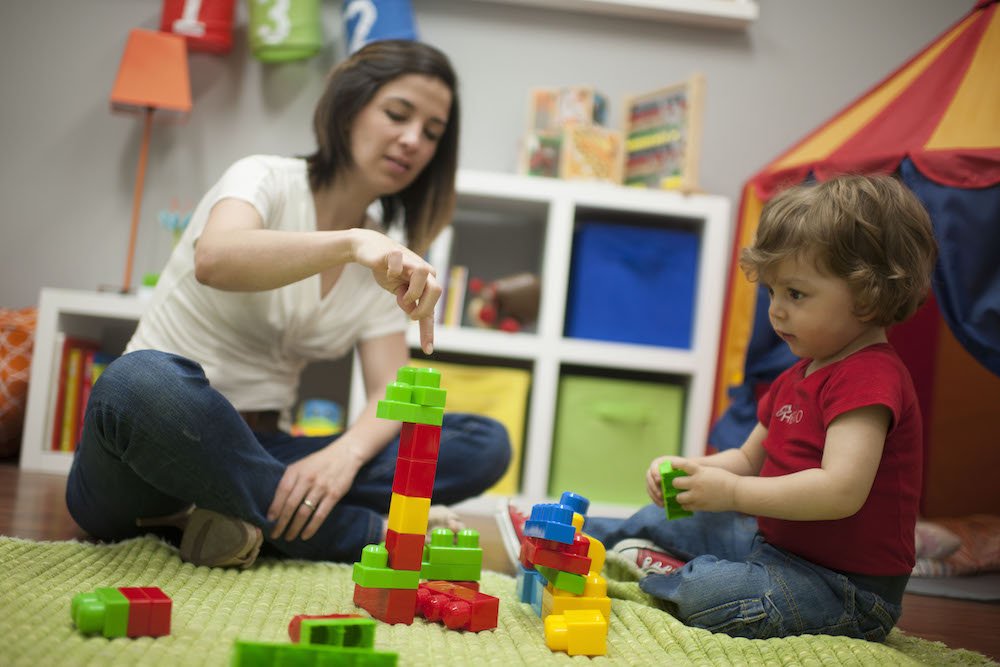
Key points: 1. Developmental delays vary, so remember each child has their own pace. 2. Look for red flags like…

Key points: 1. Learning begins in the womb; babies recognize their mother’s voice, learn language patterns, and taste flavors from…

Key points: 1. Learning begins in the womb, but babies continue to develop cognitive skills by exploring and adapting to…

Key points: Balance is a fundamental sense reinforced through repetitive motion. The vestibular system, responsible for balance, often goes unnoticed…

Key points: 1. Babies often fall asleep in cars due to the vestibular system’s confusion between motion and visual stillness….

Key Points: MIT Early Childhood Cognition Lab lead investigator, Laura Schulz, studies early childhood learning and how it fundamentally relates…

Key points: Babies are born with an innate curiosity to explore and learn. Cultivating curiosity is critical to lifelong learning…

Key points: The brain is particularly responsive and malleable to experiences and the environment we live in during the early…

Key points: Play is a key component in a child’s development, allowing them to develop imagination, cognitive skills, physical agility,…

Key points: Babies are like little scientists, actively exploring the world to understand how it works. Cognitive development involves abstract…