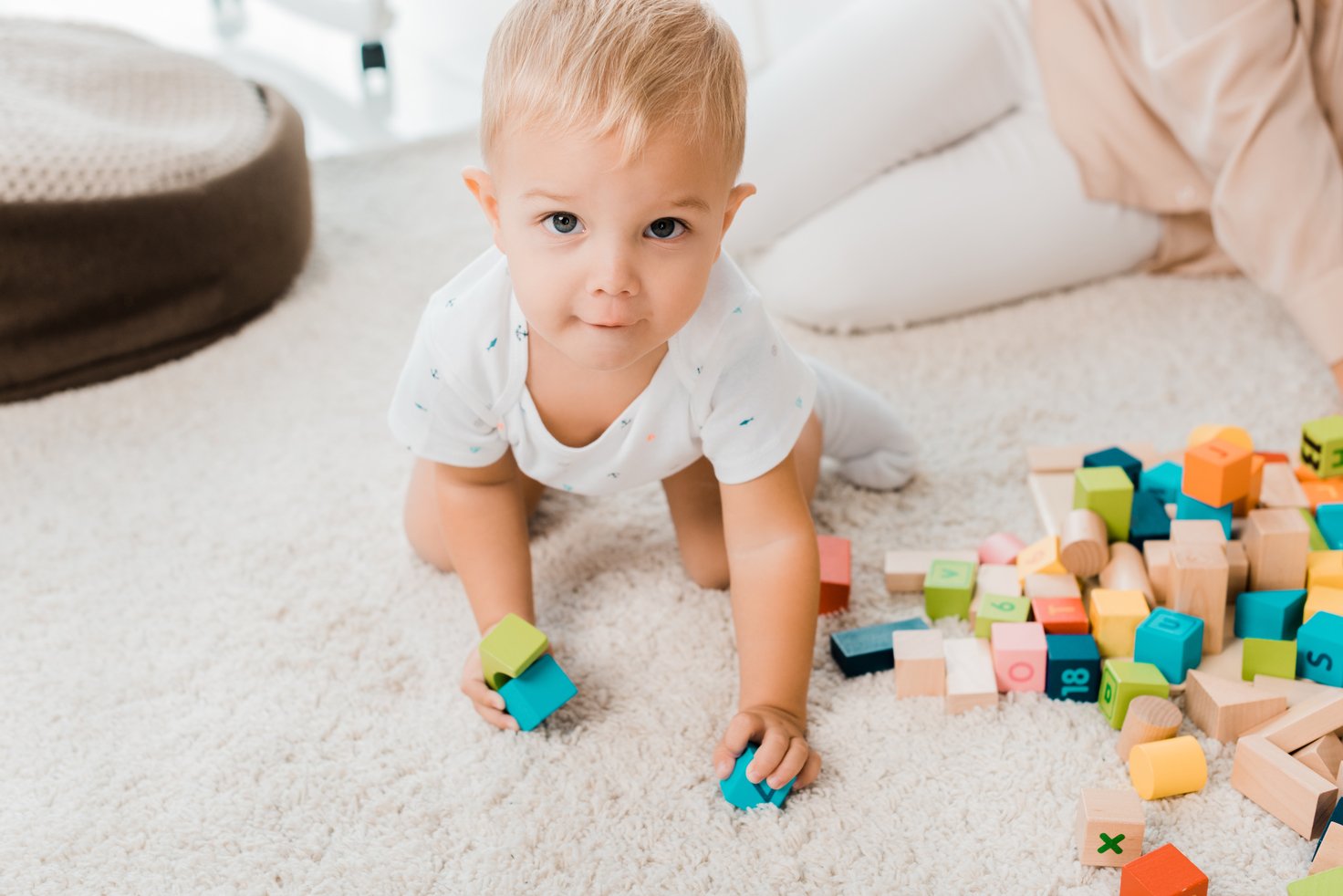
Child development stages: 12 to 24 months
Just when you’ve gotten the hang of parenting a baby, your little one turns into a toddler and you’re faced…


Just when you’ve gotten the hang of parenting a baby, your little one turns into a toddler and you’re faced…

Key points: Babies initially can’t associate what they see with what they touch due to limited hand coordination. Stimulating a…

Key points: Proprioception is the sense of knowing where your body is in space. Special receptors in muscles help us…

Key points: Preschool years are critical for motor skills development. Catching a ball involves cognitive and physical skills. Children progress…

Key points: Gross motor skills, like throwing a ball, develop around 48 months. Throwing indicates muscle strength, balance, and coordination….
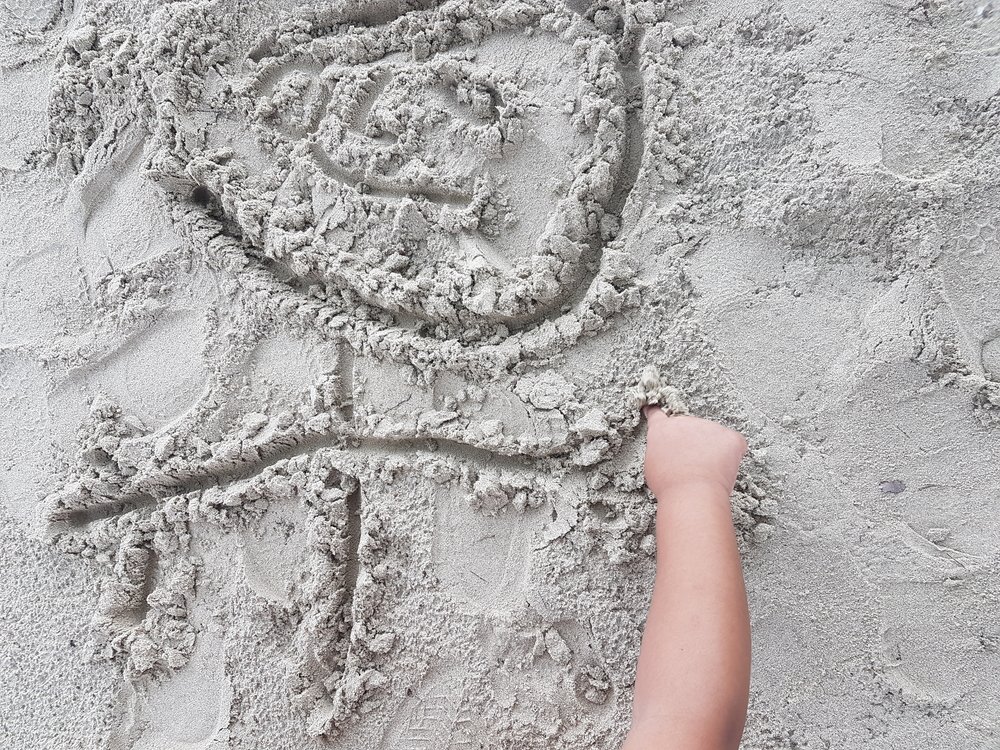
Key points: Developing motor skills is crucial for writing, especially between 36 and 48 months. Engage in activities like A-B-C…

Key points: Preschoolers use gestures to aid understanding and communication due to their limited vocabulary. Research highlights how these gestures…
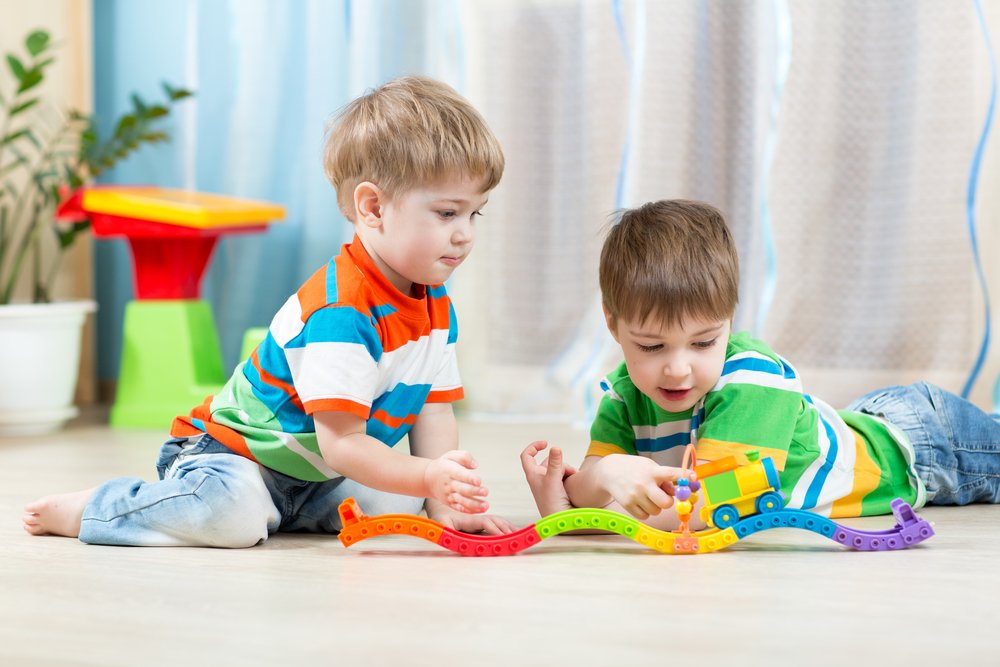
Key points: Encourage appropriate expression of emotions and needs through words. Promote various types of play and taking turns. Foster…
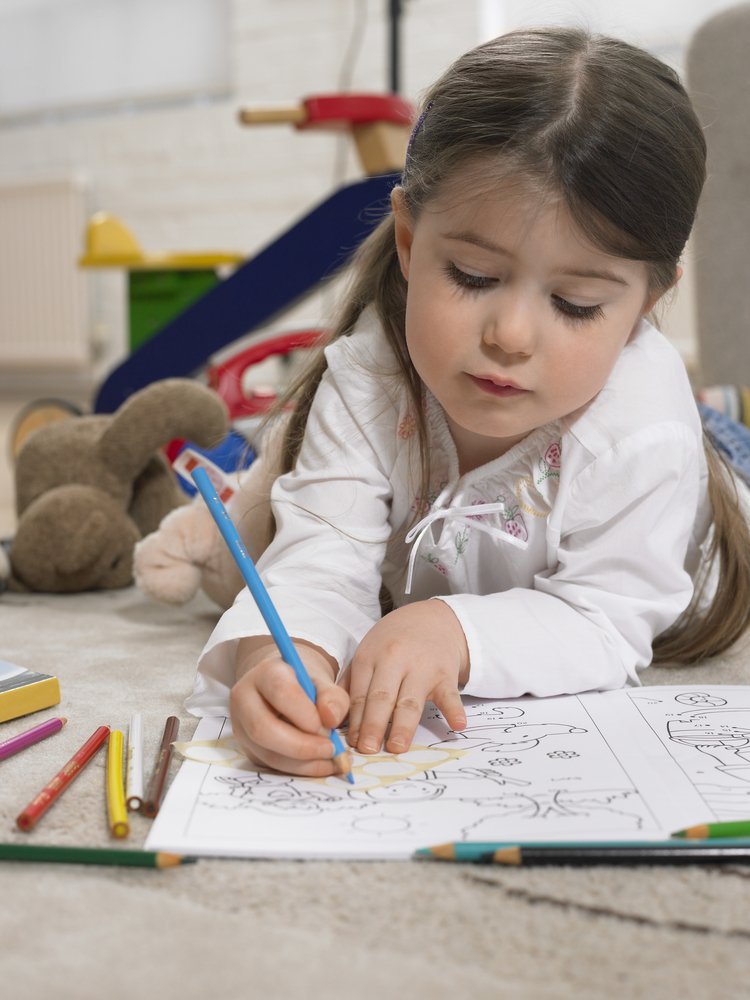
Key points: Coloring fosters creativity and visual perception. Enhances hand-to-eye coordination. Expands vocabulary by exposing kids to descriptive words. Develops…

Key points: Encourage jumping skills through animal imitation and vocabulary-building games. Dance to upbeat music, coordinating jumps and arm movements…

Key points: Jumping is a fundamental gross motor skill, involving take-off, flight, and landing. It supports various developmental processes, including…
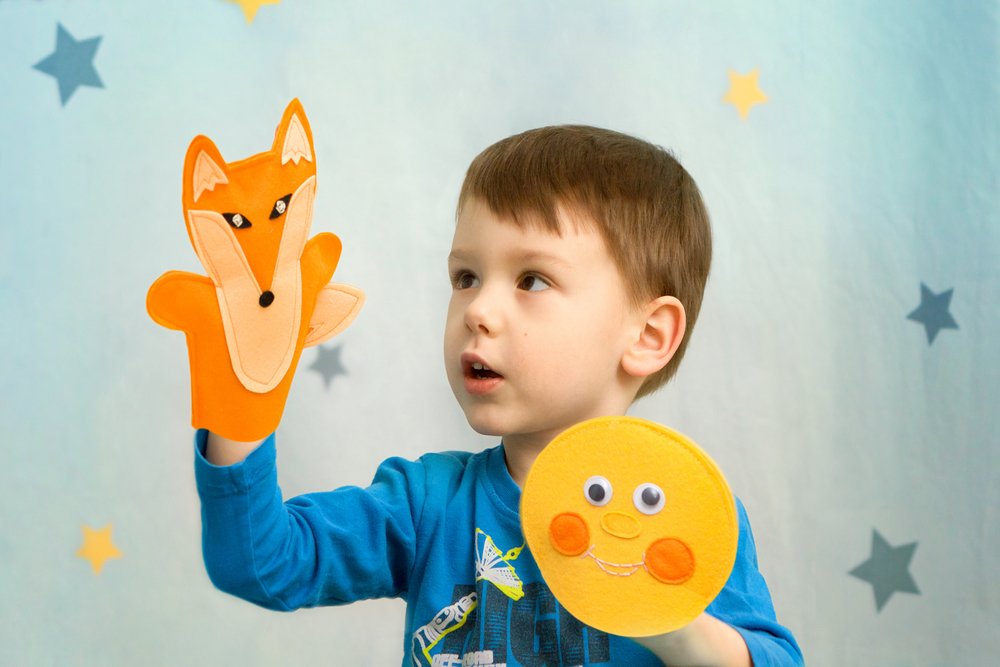
Key points: Hand dominance usually forms by elementary school age. Encourage hand dominance exploration with midline placement and coordination activities….
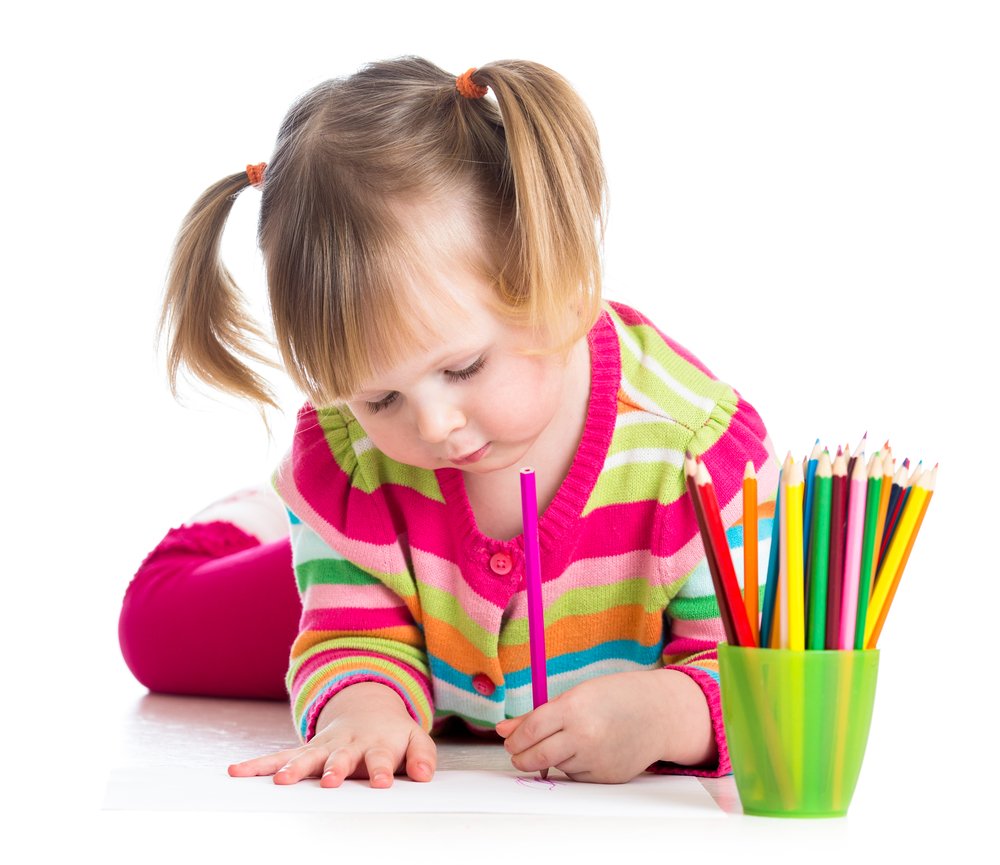
Key points: Hand preference, laterality, and dominance describe a child’s tendency to favor one hand for motor skills. Both hands…
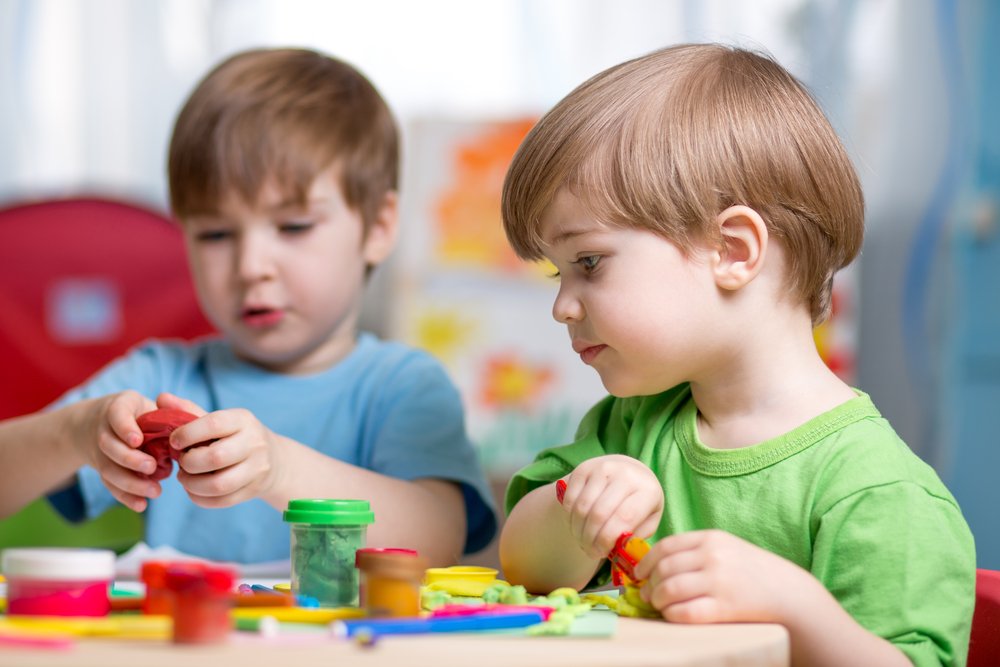
Key points: Manual dexterity is the ability to manipulate objects using coordinated hand and finger movements. Around 36 months of…
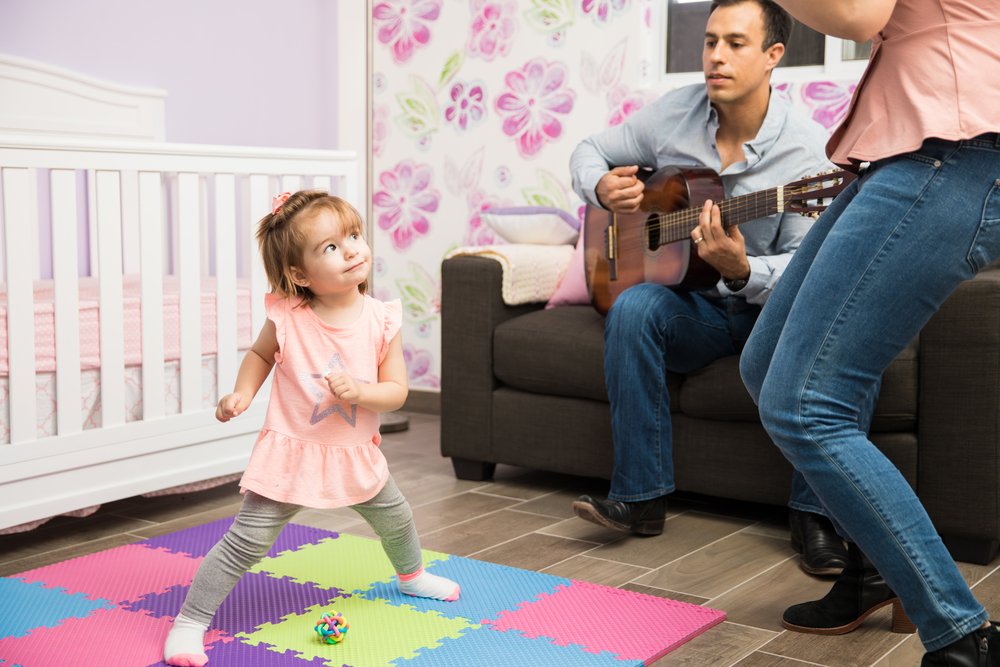
Key points: Balance is crucial for various activities, from standing to playing pretend and gaining independence in tasks like dressing…
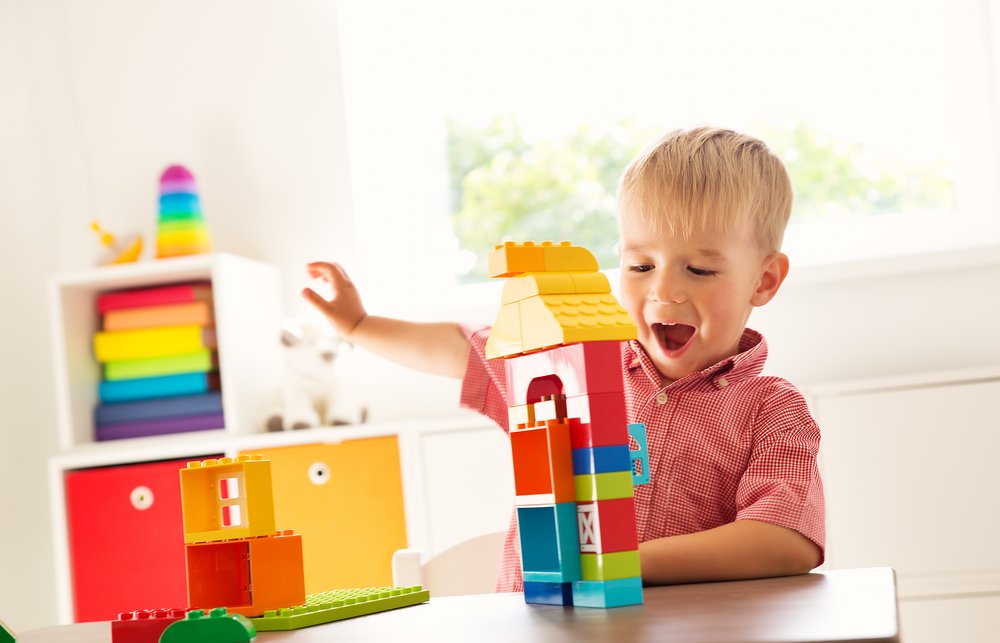
Key points:1. Between 3 and 4 years old, children master gross motor control and posture skills.2. They can maintain stable…
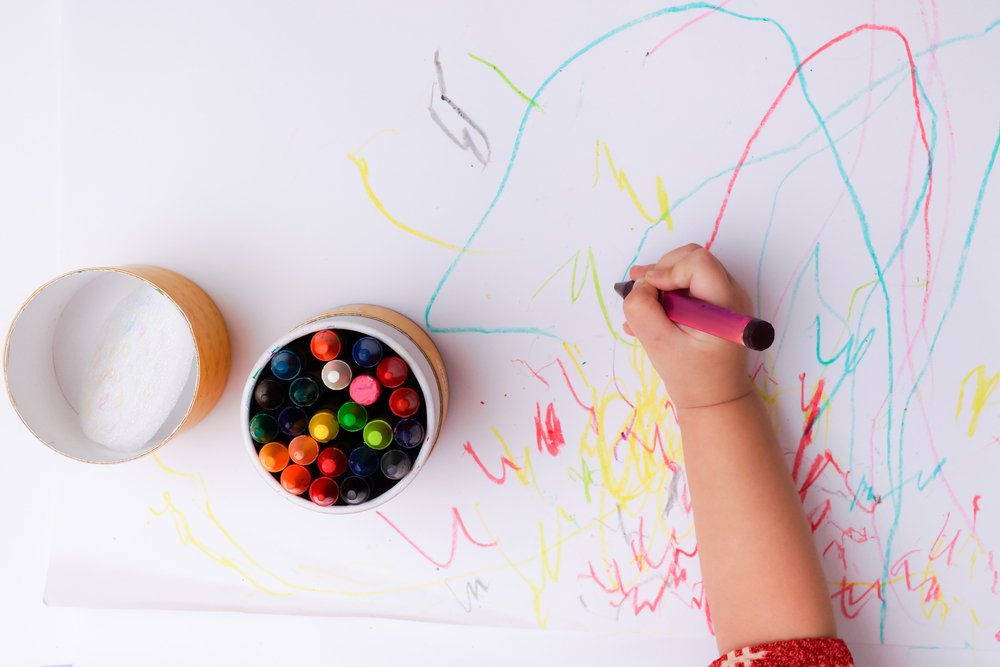
Key Points: Hand coordination skills involve controlling hand and finger movements and integrating them with visual and perceptual abilities. Developing…
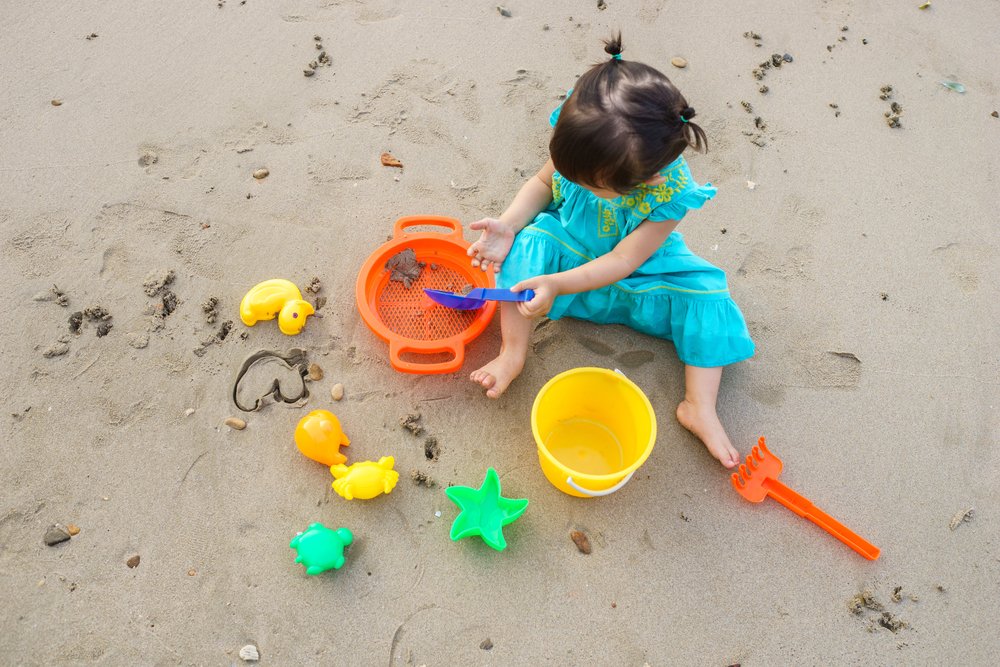
Key Points: Around 3 years old, children develop finger dexterity, allowing them to perform tasks like turning book pages, engaging…
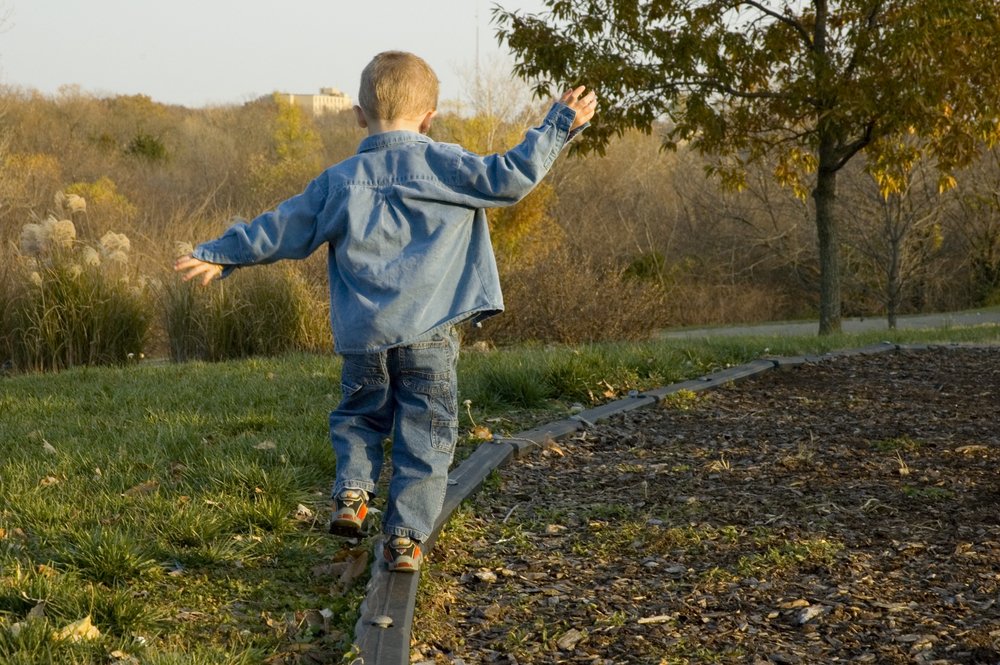
Key Points: Balance involves maintaining controlled body positions during static and dynamic activities, requiring the integration of the vestibular, visual,…

Key points: Children aged 2 to 5 spend most of their day doing sedentary activities and only engage in moderate…

Key points: Developmental skills in early childhood are interdependent, connected, and intertwined. Independent walking is an important milestone for the…